
Table of Contents
ToggleGadgets vs. devices, most people use these terms interchangeably. But they’re not the same thing. Understanding the difference can help consumers make smarter purchasing decisions and communicate more clearly about technology.
A gadget typically refers to a small, specialized tool designed for a specific task. A device, on the other hand, often describes a broader category of electronic equipment with multiple functions. The distinction matters more than most people realize, especially as technology becomes more integrated into daily life.
This article breaks down what defines each category, highlights their core differences, and provides real-world examples. By the end, readers will know exactly which term applies to their favorite tech, and how to choose the right product for their needs.
Key Takeaways
- Gadgets are small, single-purpose tools designed for specific tasks, while devices are multi-functional electronics with broader capabilities.
- When comparing gadgets vs. devices, the main differences lie in function scope, size, price, and technology integration.
- Gadgets like fitness trackers and portable chargers cost less and work out of the box, while devices like smartphones require more investment and setup.
- Some products blur the line—smartwatches and e-readers share qualities of both gadgets and devices as technology evolves.
- Choose a gadget for focused, affordable solutions; opt for a device when you need multi-functionality and ecosystem connectivity.
- Always define the problem you’re solving and check compatibility before deciding between gadgets vs. devices.
What Defines a Gadget
A gadget is a small, portable tool built for a specific purpose. Think of it as technology with a narrow focus. Gadgets solve particular problems or perform single tasks efficiently.
Several characteristics define gadgets:
- Compact size: Gadgets fit in a pocket, bag, or hand without difficulty.
- Single function: They excel at one job rather than many.
- Novelty factor: Gadgets often feature innovative or clever designs.
- Affordability: Most gadgets cost less than full-scale devices.
The word “gadget” first appeared in the 19th century, originally describing mechanical tools on ships. Today, it applies to anything from fitness trackers to portable phone chargers. The key identifier remains the same: gadgets handle specific tasks without unnecessary complexity.
People often associate gadgets with convenience and fun. They’re the tech items that make life a little easier or more entertaining without requiring a major investment. A kitchen timer, a digital stylus, or a wireless earbud case, all qualify as gadgets because they serve focused purposes.
What Qualifies as a Device
A device represents a broader category of technology. Devices perform multiple functions and often serve as primary tools for work, communication, or entertainment.
Key traits that qualify something as a device include:
- Multi-functionality: Devices handle several tasks simultaneously.
- Larger form factor: They’re typically bigger than gadgets, though size varies.
- Essential utility: Many people rely on devices for daily activities.
- Higher complexity: Devices require operating systems, software, or advanced components.
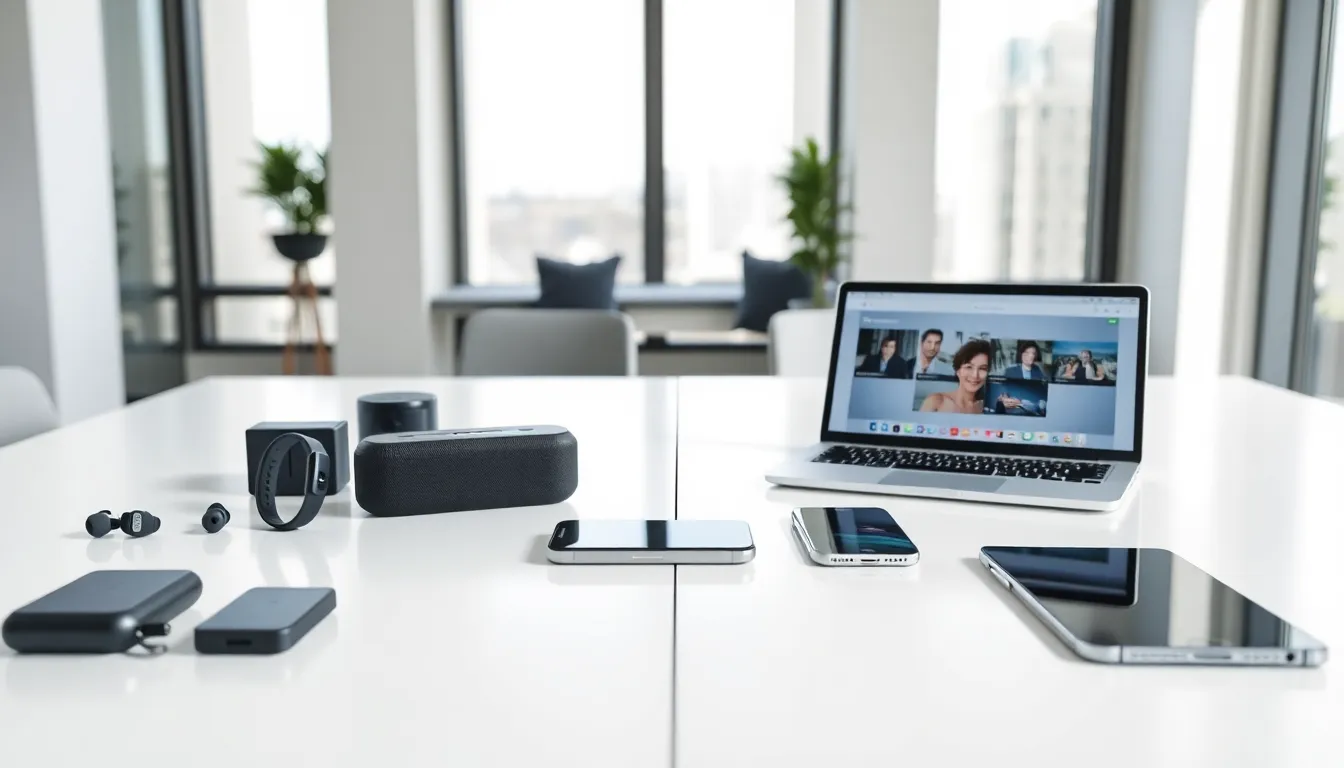
Smartphones, laptops, and tablets all qualify as devices. They run applications, connect to networks, and perform hundreds of different functions. A smartphone, for instance, serves as a camera, calculator, GPS navigator, music player, and communication hub, all in one package.
Devices often cost more than gadgets because of their expanded capabilities. They also require more maintenance, updates, and learning curves. When comparing gadgets vs. devices, the distinction often comes down to scope. Devices aim to do many things well. Gadgets aim to do one thing perfectly.
Core Differences Between Gadgets and Devices
The gadgets vs. devices debate centers on a few fundamental distinctions. Understanding these differences helps consumers identify what they’re buying and why.
Function Scope
Gadgets perform single tasks. A fitness band tracks steps. A portable speaker plays audio. Devices, by contrast, integrate multiple capabilities into one product. A smartwatch tracks fitness, displays notifications, plays music, and runs apps.
Size and Portability
Gadgets tend to be smaller and more portable. They’re designed for convenience. Devices vary in size, smartphones fit in pockets while desktop computers require dedicated space. But, devices generally occupy more real estate than gadgets.
Price Point
Most gadgets fall into lower price brackets. A USB hub might cost $20. A full laptop costs hundreds or thousands. The price difference reflects the complexity gap between gadgets vs. devices.
Dependency Level
People often depend on devices for essential tasks. Work emails, video calls, document creation, these happen on devices. Gadgets enhance experiences but rarely serve as primary tools. Someone might survive without their portable charger but not without their phone.
Technology Integration
Devices typically run operating systems and software. They connect to ecosystems like iOS, Android, or Windows. Gadgets may operate independently or sync with devices but don’t function as standalone platforms.
Everyday Examples of Each
Real-world examples clarify the gadgets vs. devices distinction better than definitions alone.
Common Gadgets:
- Wireless earbuds
- Fitness trackers
- Portable phone chargers
- Smart plugs
- Digital thermometers
- USB drives
- Bluetooth speakers
- E-readers (debatable, some consider these devices)
Common Devices:
- Smartphones
- Laptops
- Tablets
- Desktop computers
- Smart TVs
- Gaming consoles
- Smartwatches (these blur the line)
Some products fall into gray areas. A smartwatch functions like a device because it runs apps and performs multiple tasks. Yet its compact size and specialized focus give it gadget-like qualities. Context matters. When comparing gadgets vs. devices, product evolution sometimes shifts categories over time.
E-readers present another interesting case. A basic Kindle serves one primary purpose, reading books. That sounds like a gadget. But newer models browse the web, play audiobooks, and sync with cloud libraries. The line blurs as technology advances.
How to Choose What You Need
Choosing between gadgets vs. devices depends on specific needs, budget, and intended use. A few questions can guide the decision.
What problem needs solving?
If someone needs to track daily steps, a simple fitness band works fine. If they want health monitoring, notifications, music storage, and app access, a smartwatch makes more sense. Define the problem first.
What’s the budget?
Gadgets cost less upfront and typically require less maintenance. Devices represent larger investments but deliver broader value. Budget constraints often push consumers toward gadgets that address immediate needs.
How much learning is acceptable?
Gadgets usually work out of the box. Devices demand setup, customization, and ongoing updates. Someone who wants simplicity should lean toward gadgets. Tech enthusiasts might prefer devices with more features to explore.
Is portability essential?
Gadgets win on portability. They’re built for convenience. Devices offer more power but sometimes sacrifice mobility. Consider where and how the product will be used.
Does it need to connect to other products?
Some gadgets work independently. Others sync with devices to unlock full functionality. A fitness tracker without a smartphone app loses much of its value. Buyers should check compatibility before purchasing gadgets that depend on devices.


